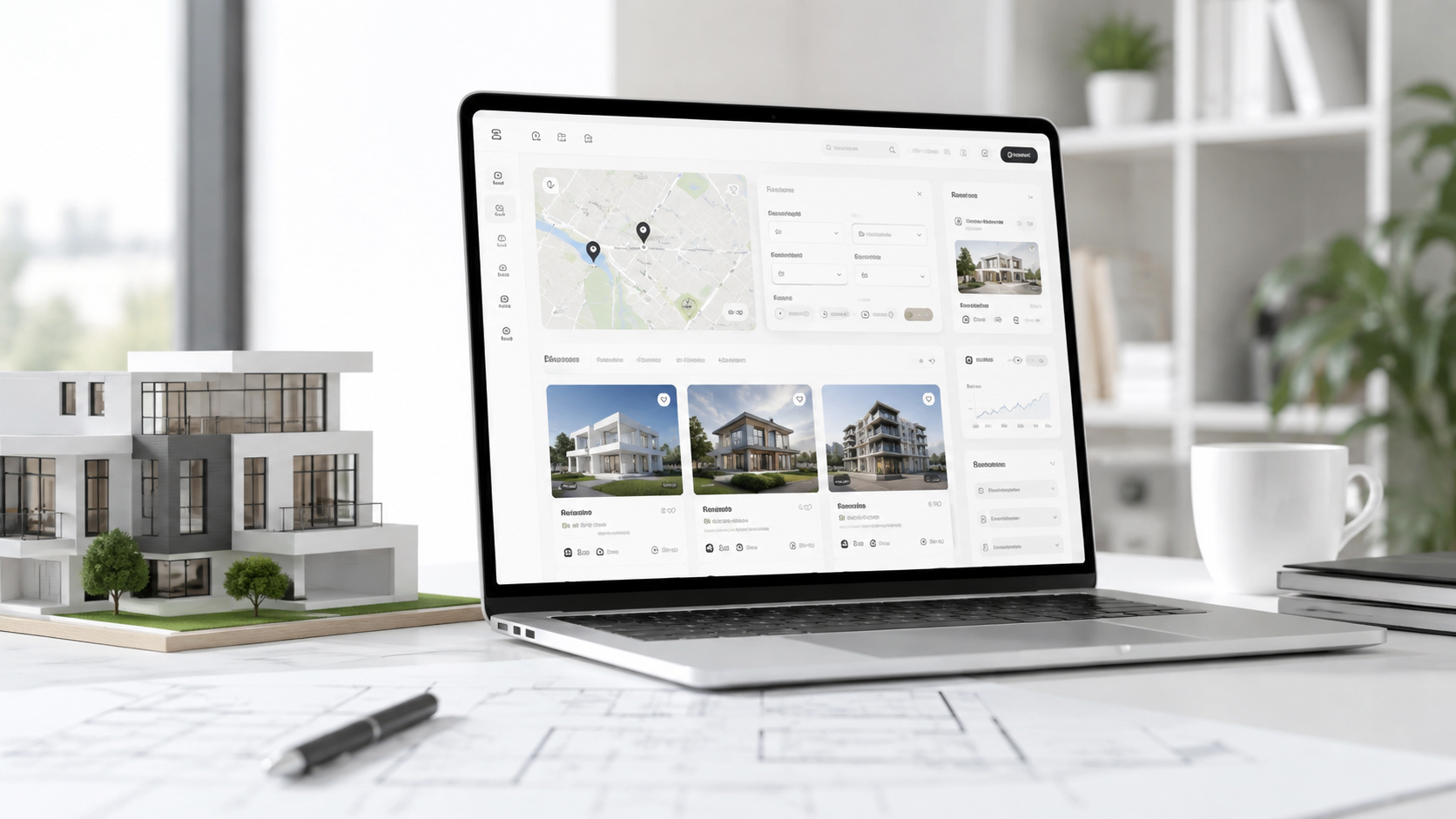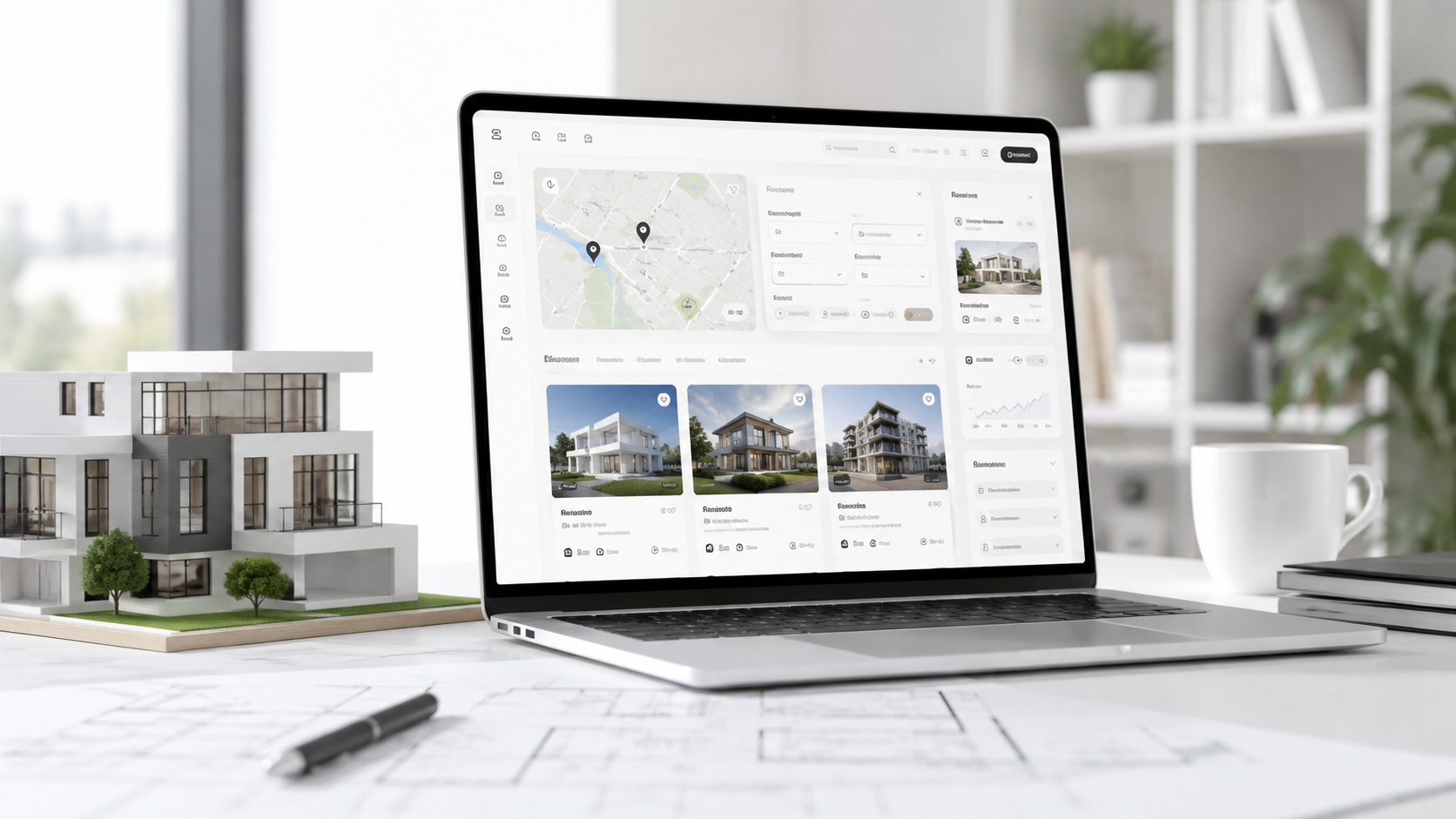
How to Build a Modern Real Estate Web Platform in 2027
Building a modern real estate web platform in 2027 requires much more than displaying property photos and contact information. Users expect fast searc...
Building a modern real estate web platform in 2027 requires much more than displaying property photos and contact information. Users expect fast search, advanced filters, mobile-friendly interfaces, detailed property pages, agent profiles, secure dashboards, and a smooth experience across every device.
For developers and real estate businesses, the challenge is to combine these features within an architecture that remains scalable, secure, and easy to maintain.
In this guide, I’ll explain the most important components of a modern real estate platform and share some of the ideas I applied while developing HomeNest, a full-stack real estate web platform designed around property discovery, listing management, and scalable architecture.
What Is a Real Estate Web Platform?
A real estate web platform is an application that connects property listings, potential buyers or renters, agents, and administrators within one digital ecosystem.
Unlike a simple real estate website, a complete platform normally includes dynamic functionality such as:
- Property listing management
- Advanced search and filtering
- Property detail pages
- Agent profiles
- Location-based discovery
- Image galleries
- User authentication
- Administrative dashboards
- Lead or inquiry management
- SEO-friendly public pages
The exact architecture depends on the business model. A single real estate agency may require something relatively simple, while a marketplace containing thousands of properties may need a much more scalable backend and search infrastructure.
1. Start With a Clear Property Data Model
One of the most important decisions comes before the interface is designed.
You need to determine exactly what information describes a property.
A typical property record may contain:
- Property title
- Description
- Property type
- Sale or rental status
- Price
- Currency
- Country
- City
- Area or community
- Bedrooms
- Bathrooms
- Property size
- Amenities
- Images
- Agent
- Geographic coordinates
- Publication status
A structured data model makes almost every other feature easier to implement.
Search, filtering, SEO pages, property recommendations, admin dashboards, and APIs all depend on having clean and predictable data.
2. Build Powerful Property Search and Filtering
Search is one of the most important parts of any property platform.
Visitors rarely want to browse every property available. They usually arrive with specific requirements.
For example, someone may search for:
Apartments for sale with two bedrooms in a specific location within a certain price range.
A modern property platform should therefore support filters such as:
- Location
- Property type
- Minimum and maximum price
- Bedrooms
- Bathrooms
- Property size
- Sale or rent
- Amenities
Filters should also work together efficiently.
If the platform contains many listings, filtering should happen on the backend rather than loading the entire property database into the browser.
While developing HomeNest, property discovery and structured filtering were important parts of the platform architecture.
3. Create Detailed Property Pages
A property detail page is usually where a visitor decides whether they are interested enough to contact an agent.
It should provide all important information without overwhelming the user.
A good property page can include:
- Large property gallery
- Property title
- Price
- Location
- Description
- Bedrooms and bathrooms
- Property size
- Amenities
- Agent information
- Map location
- Contact options
- Similar properties
These pages are also extremely important for SEO.
Instead of generating generic property URLs such as:
/property?id=128
a better structure would be:
/properties/modern-3-bedroom-apartment-baku
Human-readable URLs are easier for users to understand and provide search engines with additional context.
4. Design for Mobile Users First
Real estate searches increasingly happen on mobile devices.
Users may discover a listing while commuting, walking through a neighborhood, or comparing properties during a property viewing.
That means the platform should work comfortably on smaller screens.
Important mobile considerations include:
- Large tap targets
- Responsive property cards
- Mobile-friendly filters
- Optimized image galleries
- Clear contact buttons
- Fast page loading
- Readable typography
Responsive design should not simply shrink the desktop interface.
Sometimes the mobile layout should behave differently to make important actions easier to access.
5. Optimize Property Images
Real estate platforms are highly visual.
A single listing may contain 10, 20, or even more high-resolution photographs. Without proper optimization, these images can quickly make pages slow.
A modern implementation should consider:
- Responsive image sizes
- Image compression
- Modern formats such as WebP or AVIF
- Lazy loading
- Thumbnail generation
- CDN delivery
- Proper image dimensions
The goal is to maintain visual quality while minimizing unnecessary bandwidth.
Page performance directly affects user experience, particularly for visitors using mobile connections.
6. Create an API-Driven Architecture
For larger projects, separating the frontend from the backend can make development and future expansion easier.
An API-driven real estate platform commonly consists of:
Frontend
Responsible for the user interface, property search, listing pages, and interactions.
Backend API
Handles business logic, authentication, listings, agents, permissions, and database operations.
Database
Stores property information, users, agents, locations, and other structured data.
This type of architecture makes it easier to later introduce:
- Mobile applications
- Partner integrations
- CRM integrations
- External property feeds
- Analytics systems
- Additional websites
HomeNest was designed using this type of scalable, API-oriented approach.
You can see the project here:
HomeNest — Real Estate Web Platform
7. Build a Practical Administration System
Public property pages are only one side of a real estate platform.
Someone also needs to manage the data behind them.
An administration dashboard may allow authorized users to:
- Create properties
- Edit listings
- Upload property images
- Assign agents
- Manage locations
- Change listing status
- Publish or unpublish properties
- Review inquiries
- Manage users
For larger organizations, role-based permissions become important.
For example:
Administrator
Can manage the entire platform.
Agent
Can manage properties assigned to them.
Editor
Can update listing information but may not have permission to publish.
A clear permission model helps reduce mistakes and improves platform security.
8. Make SEO Part of the Architecture
SEO should not be added only after development is finished.
The way a real estate platform is structured can have a major impact on how well search engines understand it.
Important technical SEO elements include:
- Clean URLs
- Unique page titles
- Meta descriptions
- Canonical URLs
- XML sitemap
- Robots directives
- Structured headings
- Image alt attributes
- Internal linking
- Server-rendered or indexable content
A platform can also create useful location-based landing pages.
For example:
/properties/baku/
/properties/dubai/
/properties/riyadh/
These pages can target searches with much stronger intent than a generic homepage.
9. Use Structured Data Where Appropriate
Structured data can help search engines understand the type of information displayed on a page.
Depending on the platform and page type, useful schema types may include:
- BreadcrumbList
- Organization
- WebSite
- RealEstateAgent
- Article
- FAQPage
Structured data does not guarantee better rankings, but it creates clearer machine-readable context around the website.
10. Consider Security From the Beginning
Real estate platforms often contain authentication systems, contact forms, dashboards, uploaded media, and potentially sensitive customer information.
Security should therefore be part of the architecture rather than an afterthought.
Important measures may include:
- Secure authentication
- Password hashing
- Rate limiting
- CSRF protection
- Input validation
- Authorization checks
- Secure cookies
- HTTPS
- File upload validation
- Database access controls
Administrative endpoints should never rely only on hidden URLs for protection.
Every sensitive operation should verify that the authenticated user has permission to perform it.
11. Plan for Scalability
A platform containing 100 properties behaves very differently from one containing hundreds of thousands.
As traffic and data increase, developers may eventually need:
- Database indexes
- Query optimization
- Application caching
- Redis
- Search engines
- CDN infrastructure
- Background jobs
- Object storage
- Load balancing
It is not necessary to introduce every technology from the first day.
The better approach is to create an architecture that can evolve as the platform grows.
12. Build Around the User Journey
Technology is important, but users ultimately care about how easily they can find the right property.
A simple user journey might look like this:
Homepage → Search → Filters → Property → Agent → Inquiry
Every step should reduce friction.
For example, users should not need to create an account just to view basic property information.
Similarly, an inquiry button should remain easy to find after the visitor has reviewed the property's details.
Good real estate platforms combine technical architecture with careful UX decisions.
HomeNest: A Real Estate Platform Case Study
I developed HomeNest as a real estate web platform focused on modern property discovery and listing management.
The project combines structured property data, advanced search and filtering, property presentation, agent information, and a scalable API-driven architecture.
Rather than building only a visual real estate website, the goal was to create the foundations of a platform that could support a growing property ecosystem.
You can explore the project and its architecture here:
View the HomeNest Real Estate Platform Case Study
Final Thoughts
Building a modern real estate web platform requires the right balance between user experience, data architecture, performance, SEO, security, and scalability.
The most successful platforms make complex property data feel simple for users.
Start with a clean property model, design an efficient search experience, create high-quality property pages, and ensure that the technical architecture can evolve as the platform grows.
When these components are designed together from the beginning, a real estate website can become much more than a collection of listings — it can become a scalable digital platform for property discovery and management.
Frequently Asked Questions
What features should a real estate website include?
A modern real estate website typically includes property listings, advanced search and filters, property detail pages, image galleries, agent profiles, location information, contact options, and an administration system.
How much does it cost to build a real estate web platform?
The cost depends on the complexity of the project. A simple agency website may require significantly less development than a multi-agent property marketplace with authentication, advanced filtering, integrations, and administrative workflows.
What technology can be used to build a real estate platform?
Modern platforms can be built with technologies such as React, Next.js, Go, Node.js, PostgreSQL, Redis, and other web technologies. The best stack depends on the expected scale and project requirements.
Why are search and filters important for real estate websites?
Property databases can contain hundreds or thousands of listings. Advanced filtering helps users quickly narrow those listings based on location, price, property type, bedrooms, amenities, and other requirements.
Can a real estate platform support multiple agents?
Yes. A multi-agent architecture can associate properties with individual agents and provide different permissions for administrators, editors, and agents.
Can you build a custom real estate web platform?
Yes. Custom platforms can be designed around a company's specific property structure, workflows, branding, integrations, and business requirements.